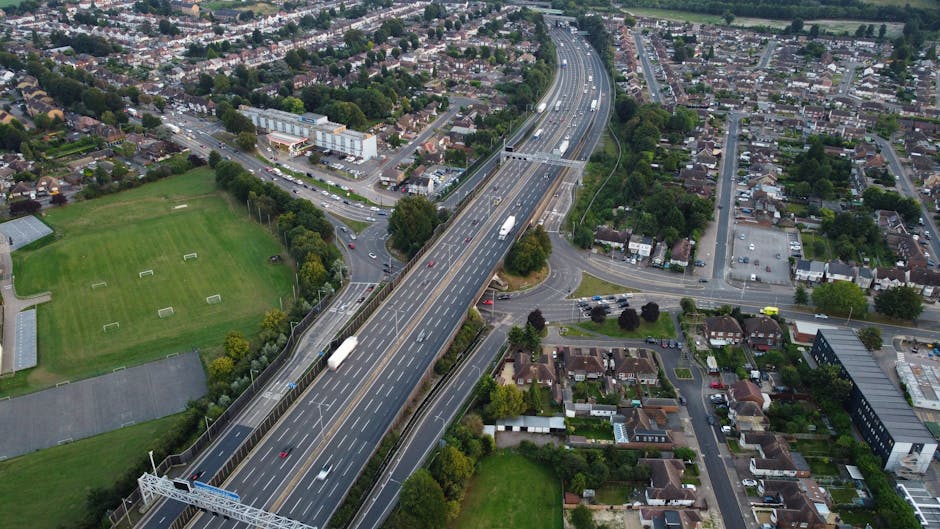
Highway and Parking Rules for East Bedfont Removals
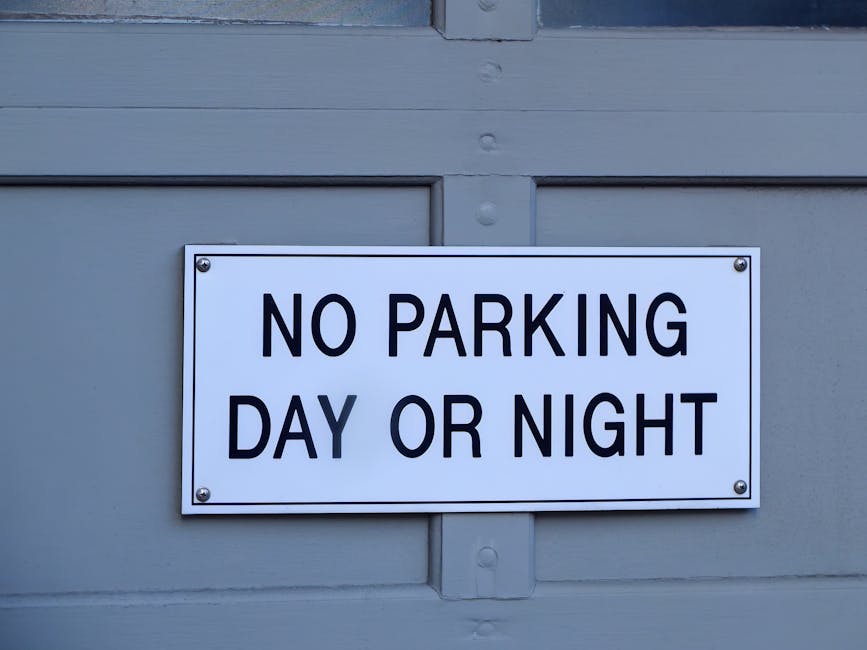
Moving house or relocating an office in East Bedfont sounds simple enough on paper: park the van, load the boxes, get on with it. In real life, though, the difference between a smooth move and a stressful one often comes down to highway and parking rules. If the vehicle cannot stop safely, if access is blocked, or if a bay is not available when you need it, everything slows down. And nobody wants the sound of a dolly wheel scraping across a pavement while traffic queues behind you.
This guide explains the practical side of Highway and Parking Rules for East Bedfont Removals in clear English. You will learn how street access affects removals, what to check before moving day, how parking restrictions can change the plan, and how to avoid the small mistakes that create the biggest headaches. It is written for anyone planning a home move, flat move, or business relocation in the area, whether you are using a full removals team or a smaller van service.
If you want a move that feels organised rather than improvised, start here. A few sensible checks now can save hours later.
- Why highway and parking rules matter
- How the process works
- Key benefits and practical advantages
- Who this is for
- Step-by-step guidance
- Expert tips
- Common mistakes to avoid
- Tools, resources and recommendations
- Law, compliance and best practice
- Options and comparison
- Case study example
- Practical checklist
- Conclusion
- Frequently asked questions
Why Highway and Parking Rules for East Bedfont Removals Matters
Highway and parking rules matter because removals are not just about the property you are leaving or the one you are entering. They also depend on the road outside. In East Bedfont, as in much of London, there can be controlled parking bays, yellow lines, permit zones, loading restrictions, narrow roads, short stay limits, and the occasional awkward corner where a large vehicle simply cannot sit for long. If you ignore those realities, you risk delays, fines, neighbour complaints, or a team having to carry furniture much farther than expected.
That extra distance is more than mildly annoying. It increases time on site, adds physical strain, and can make fragile items harder to protect. A sofa that would have rolled a few metres from a properly placed van may end up being carried across a busy pavement, around parked cars, and through a tight entrance. Easy to say "we'll manage", but on moving day that extra minute becomes ten, and then twenty.
For local moves, these rules matter even more because the van often needs to park close to the entrance. If it cannot, your removals plan changes quickly. A careful crew will think about traffic flow, street width, bay lengths, and whether the vehicle can safely load without blocking driveways, junctions, or pedestrian routes.
Expert summary: the best removal plan is rarely the one with the least paperwork; it is the one that leaves enough space, enough time, and enough flexibility for the street outside to behave like a real street.
If your move includes a larger vehicle, you may also want to explore related options such as a suitable removal van or moving van support that matches the access conditions, rather than assuming any vehicle will do.
How Highway and Parking Rules for East Bedfont Removals Works
At a practical level, the process is about matching the removal vehicle and the moving timetable to the road conditions outside the property. That sounds obvious, yet people skip it surprisingly often. A move can seem fine until the van arrives and there is nowhere legal, safe, or sensible to stop.
Here is how it usually works in a well-planned move:
- Check the street layout. Look at the road width, driveway access, any bends, and where a van could safely pause without causing a blockage.
- Review parking controls. Identify whether the property sits in a permit zone, loading bay area, or street with time-limited parking.
- Plan the vehicle size. A small man and van set-up may fit where a larger lorry would not. That choice affects loading time and labour.
- Agree timing carefully. Early morning often works better than later in the day, but local conditions and restrictions still need checking.
- Prepare for contingency. If the ideal spot is taken, there should be a backup plan. No, not optimism. A backup plan.
There is also a difference between stopping briefly for loading and parking for a full move. Some streets allow limited loading activity, but that does not always mean you can leave a vehicle unattended or stay for an extended period. The practical rule is simple: do not assume. Confirm the street conditions first, then build the move around them.
For office or commercial relocation, the planning is even more important because deliveries, staff access, and customer traffic may all be happening at the same time. A good office removals plan will take parking and highway access into account before a single crate is loaded.
Key Benefits and Practical Advantages
Getting the highway and parking side right gives you more than legal peace of mind. It improves the whole moving day. You notice it in the pace of the work, the mood of the team, and even the state of the boxes at the end. Fewer surprises. Fewer arguments. Fewer "we should have thought of that" moments.
- Faster loading and unloading: the nearer the vehicle can park, the less time is spent carrying items.
- Lower risk of damage: short carry distances reduce the chance of knocks, drops, and wet-weather mishaps.
- Less pressure on the crew: safer access means less heavy lifting over long distances or awkward kerbs.
- Better neighbour relations: a move that respects the street is less likely to annoy people living nearby.
- More accurate pricing: realistic parking assumptions help removal companies quote more precisely.
- Cleaner scheduling: when access is planned, the day runs to time far more often.
For families, that means less disruption for children, pets, and the general chaos of moving day. For businesses, it can mean less downtime and fewer awkward pauses where staff are standing around holding tape and waiting for a gap in traffic. Let's face it, no one enjoys that.
If you are comparing moving support, a well-organised man and van service can be a smart option for tighter roads or shorter moves, while larger jobs may benefit from full removal services where planning, packing, and access management are handled more comprehensively.
Who This Is For and When It Makes Sense
Pretty much anyone moving in or out of East Bedfont should think about highway and parking rules, but some groups need to pay special attention.
Home movers need it because residential streets can be narrow, busy, or partly restricted. A parking mistake outside a flat or terrace can hold up an entire chain. If you are arranging house removals or working with house movers, ask how they plan around access from the start.
Flat residents often have to deal with stairwells, shared entrances, communal parking, and limited loading space. A move that looks straightforward on the calendar may be less straightforward in the courtyard.
Office managers and business owners need this because commercial streets tend to have stricter timing and higher traffic pressure. If clients, suppliers, or staff are moving around the same area, access needs to be mapped properly.
Property landlords and letting agents also benefit from understanding these rules, especially when arranging tenant move-ins or move-outs. A poor parking plan can quickly become a complaint, and nobody wants that call on a Monday morning.
Anyone using a van-based service should ask whether the vehicle size suits the street. Sometimes a smaller man with a van setup is simply a better fit than a larger lorry. It is not about doing things the hard way. It is about doing them the sensible way.
Step-by-Step Guidance
If you want to approach the move properly, follow this sequence. It is simple, but simple is good here.
- Inspect both addresses in daylight. Look at the street outside each property and notice where a van could realistically stand. If possible, check at the same time of day your move will happen. Morning traffic can feel very different from mid-afternoon.
- Identify parking restrictions. Watch for permit bays, yellow lines, loading-only areas, school entrances, resident-only parking, and any signs that may limit stopping time.
- Measure access points. Not every issue is about parking. Low trees, tight turns, gates, and limited height clearances can all affect the move.
- Choose the right vehicle. For compact access, a smaller van may save time overall. For large homes or office moves, a bigger vehicle may be more efficient if it can park legally.
- Build in loading time. Do not schedule a move as if the vehicle will be parked at the front door instantly and forever. Streets do not always cooperate.
- Prepare items for quick transfer. Wrap, label, and stage items in advance so the crew can load efficiently once space is available.
- Have a backup plan. If the nearest space is occupied, know where else the vehicle can stop temporarily and how items will be moved safely.
A useful trick is to think of the move as two separate tasks: the property move and the road move. Most people only prepare the first one. That is where things unravel, usually right after the kettle has been packed by mistake.
If packing is part of your plan, a service such as packing and unpacking services can also help reduce the time needed at the kerbside. Less faff, fewer trips, better momentum.
Expert Tips for Better Results
After a lot of move-day pattern spotting, a few habits consistently make the day easier. Nothing flashy. Just the sort of things that prevent problems before they start.
- Book the vehicle with access in mind, not just volume. A slightly smaller van may be much easier to park and load than a bigger one.
- Keep the front entrance clear. Shoes, bins, bikes, and plant pots seem harmless until everyone is stepping around them with a mattress.
- Use clear labels. When boxes are staged quickly, good labels save time and reduce mistakes.
- Protect the route. If the carry distance is long, use covers and tread protection so nothing gets scuffed along the way.
- Confirm who is responsible for parking decisions. That sounds tiny, but it avoids confusion when the vehicle arrives and no one knows which bay was agreed.
- Allow breathing space. If the van is booked back-to-back, one parking hiccup can throw everything off. Leave a bit of wiggle room.
One small but helpful habit: ask someone to stand outside ten minutes before arrival. Not to play traffic warden, just to spot an open space, direct the driver, and stop that awkward "where are you exactly?" phone-call loop.
For heavier or bulkier loads, it is worth discussing whether a moving truck or a more agile van is the better match. Bigger is not always better. Sometimes it is just bigger.
Common Mistakes to Avoid
Most removal problems on the road come from ordinary mistakes, not disasters. The good news? Ordinary mistakes are fixable.
- Assuming you can park anywhere for a quick moment. Loading still has to fit within local restrictions and road safety.
- Ignoring the space the van needs to manoeuvre. A vehicle may fit into a bay but still be awkward to exit safely.
- Forgetting about the return trip. A space that works for unloading may not be available later when the van comes back for the final load.
- Underestimating carrying distance. Fifty metres does not sound far until you are repeating it with wardrobes and boxes.
- Not communicating with neighbours or building management. Shared access needs a bit of courtesy, otherwise tensions rise quickly.
- Choosing vehicle size by guesswork. Guessing is expensive when access is tight.
There is also the classic mistake of leaving parking planning until the night before. That usually leads to rushed decisions, and rushed decisions have a way of showing up in the worst possible places.
If you need a flexible local option, browsing removals near me can help you compare services that are more likely to understand local roads and practical access issues.
Tools, Resources and Recommendations
You do not need a complicated toolkit to manage parking and highway planning well. A few simple things are enough.
- A phone camera: take pictures of signs, kerbs, driveways, and any access pinch points.
- A tape measure: useful for checking doorway widths, stair turns, and vehicle-clearance concerns.
- A notepad or phone notes app: jot down times, bay restrictions, and who said what if the arrangement changes.
- A floor plan or rough sketch: especially helpful for office removals or larger homes.
- Protective materials: covers, blankets, tape, and corner protection all reduce handling stress.
For service planning, it can help to review pages such as pricing and quotes, insurance and safety, and health and safety policy. Those pages do not replace local parking checks, of course, but they do give you a better feel for how the move may be handled.
If the move involves more than a few boxes, consider whether an experienced removal company or a lighter removal van setup is the better operational fit. Sometimes the neatest answer is the one that looks slightly less ambitious on paper.
Law, Compliance, Standards, or Best Practice
While this article is practical rather than legal advice, there are a few broad principles to keep in mind. In the UK, highway use must always be safe, lawful, and considerate to other road users and pedestrians. That means you should not block a junction, obstruct access, or park in a way that creates danger or avoids local restrictions. In London, parking controls can be especially sensitive, so checking signs and not relying on guesswork is the safest approach.
For removals, best practice usually means:
- confirming parking arrangements in advance;
- using the smallest suitable vehicle where access is tight;
- keeping loading activity efficient and contained;
- respecting neighbours, driveways, and pedestrian routes;
- taking care with heavy lifting near roads and kerbs;
- following any property-specific rules from landlords, managing agents, or building staff.
Insurance and safety also matter here. If a van must stop in a busy street, a professional crew should think about visibility, equipment handling, and the risk to both people and property. That is part of sound operational practice, not just good manners. The same goes for large-scale jobs such as commercial moves, where traffic, parking, and time pressure can all stack up quickly.
Truth be told, the safest move is usually the boring one: check, measure, plan, confirm, then move. Not glamorous. Very effective.
Options, Methods, or Comparison Table
Different move types need different parking strategies. Here is a simple comparison to help you decide what is most likely to work best.
| Move type | Parking challenge | Best fit | Practical note |
|---|---|---|---|
| Small flat move | Limited bays, shared entrances, short loading windows | Smaller van or man and van | Quick, flexible access usually matters more than vehicle size |
| Family house move | Larger load, more items, longer carry if parking is distant | Removal van or larger vehicle if access allows | Extra planning helps with the volume and the driveway situation |
| Office relocation | Busy streets, multiple people, tighter schedules | Removal services with structured planning | Access timing can matter as much as packing quality |
| Furniture pick-up | Short-stay stopping, bulky single items, awkward loading points | Van-based collection | Fast loading and safe parking are usually the priority |
| Large household or mixed load | High volume and higher risk of delay | Larger removals team or truck hire | Only worth it if the street can physically support it |
The table is simple, but the message is the same: choose the method that suits the street, not just the stuff in the house.
Case Study or Real-World Example
Here is a realistic example. A couple moving from a first-floor flat in East Bedfont had a stairwell that was fine, but the street outside was tighter than they expected. On the viewing visit, they had focused on the flat itself and missed the parked cars, the narrow turning space, and the sign that limited roadside stopping. On moving day, the van could not sit directly outside for long.
Instead of forcing the issue, the move was adjusted. The vehicle arrived earlier, a closer space was secured before the busiest period, and the larger items were moved in a faster sequence while the route remained clear. One person stayed near the entrance, another kept an eye on the parking position, and the loading order was changed so the heaviest furniture went first. Not perfect, but workable.
The biggest lesson was not about speed. It was about adaptability. Once the parking reality was accepted, the day became manageable. The move still took effort, of course. Moves always do. But it avoided fines, arguments, and the draining chaos that comes from trying to outsmart the road.
That same logic applies to house moves and smaller business relocations. If access is tight, choose a setup that can flex with the street rather than fight it.
Practical Checklist
Use this checklist before moving day. A quick run-through can make a surprisingly big difference.
- Check parking restrictions at both addresses.
- Look for permit zones, yellow lines, and loading-only signs.
- Measure access points, gates, and stair turns if needed.
- Confirm whether the vehicle can stop safely near the entrance.
- Decide whether a smaller van or larger vehicle is more suitable.
- Tell neighbours or building staff if access may be temporarily affected.
- Prepare items for fast loading and clear labelling.
- Keep driveways, entrances, and pavements as clear as possible.
- Have a fallback spot in case the first parking choice is taken.
- Review insurance, safety, and terms before confirming the booking.
If you are arranging a broader move, pages like home moves and man with van can help you compare service styles and decide which approach fits your access conditions best.
Get a free quote today and see how much you can save.
Conclusion
Highway and parking rules are one of those moving-day details that seem minor until they suddenly are not. In East Bedfont, getting them right can mean the difference between a calm, efficient removal and a day full of parking stress, longer carries, and avoidable delays. The good news is that this part of the process is very manageable once you start planning early and treat the road outside the property as seriously as the property itself.
Whether you are moving a flat, a house, an office, or a few bulky items, the safest approach is the same: check access, choose the right vehicle, allow enough time, and keep communication clear. Simple, yes. But simple often wins.
If you plan carefully, the move feels lighter. And on moving day, that is worth a lot.
Frequently Asked Questions
Do I need to think about parking even for a small move?
Yes. Even a small move can run into issues if the van cannot stop safely near the property. Short jobs often depend on quick loading, so parking still matters.
What if there is no space outside my house on moving day?
Have a backup plan. A nearby legal space, a staggered loading approach, or a smaller vehicle can help. The key is not to improvise at the last second.
Is a smaller van better for East Bedfont streets?
Sometimes, yes. If the road is tight or parking is limited, a smaller vehicle can be easier to place and may reduce the overall stress of the move.
Can I just use a loading bay for removals?
Only if the bay rules allow it and the move fits within the permitted time and usage conditions. Do not assume a loading bay is automatically suitable for a full removal.
How far in advance should I check parking rules?
Ideally a few days before the move, and again closer to the day if possible. Conditions can change, and it is better to catch a problem early than at the kerbside.
Do office moves need more parking planning than home moves?
Often they do, because there may be more people, stricter timing, and greater disruption if parking is wrong. Access planning is a big part of keeping the move on schedule.
What should I tell the removals team before the move?
Share the parking restrictions, any height or width issues, and whether there is a better place to stop. The more accurate the access information, the smoother the move.
Does packing help with parking and loading problems?
Yes. Well-packed, clearly labelled boxes make loading faster. That matters when the van has limited stopping time or parking space is tight.
Are highway and parking rules only about fines?
No. They are also about safety, neighbour relations, loading efficiency, and protecting your belongings. Fines are only one part of the risk.
What is the biggest mistake people make?
Leaving access planning until the day of the move. That is when simple parking problems become expensive time losses.
How do I choose between a removal company and a man and van service?
Think about access, volume, and complexity. If parking is tight and the job is smaller, a flexible van-based service may suit better. If the move is larger or more complex, fuller removal support may be the better choice.
Can local experience really make a difference?
Absolutely. A team that understands local roads, access patterns, and practical loading challenges is more likely to plan accurately and avoid the usual friction points.