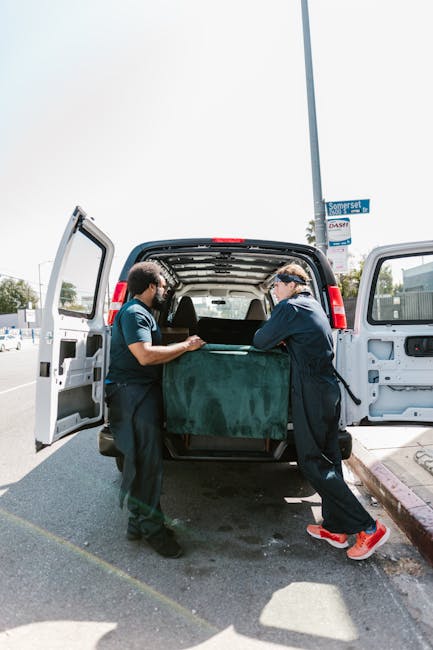
Man With Van in East Bedfont

Man With Van East Bedfont provides practical removal support for homes, flats and small business moves in and around East Bedfont. The service is centred on moving items safely, loading them carefully and getting them where they need to go without unnecessary handling. For customers who want a straightforward move handled with a man and van approach, the aim is to offer a clear, organised service that suits local journeys, single-item transport and fuller loads alike.
Our work can include furniture transport, box moves, room clearances and collections that need careful lifting. We also support customers who need help with packing, moving awkward pieces through tight spaces or coordinating a simple relocation with fewer vehicles and less disruption. If you need to compare options, check the service pages, then request a quotation when you are ready.
When planning a move, useful details include what needs moving, how far it is going and whether any pieces need dismantling before transport. It also helps to note access, parking and any items that are especially heavy, fragile or awkward. A short list or photos can make planning easier, but the core task remains the same: moving the items responsibly and in a way that suits the job.
House moves and smaller domestic removals
Domestic moving work often varies a great deal from one property to another, so a flexible van-based service can be a good fit for modest house moves, flat moves and partial relocations. We handle items that need to be moved between addresses, including furniture, white goods, personal belongings and boxed household contents. For some customers the work is a single load; for others it is a staged move that benefits from sensible loading order and steady organisation.
Home moves can be arranged around the size of the property and the volume of items involved. A smaller vehicle-based removal may suit a one-bedroom flat or a light household move, while larger domestic jobs may need more time for loading, protection and placement at the destination. The important point is to match the service to the move itself rather than forcing the same approach onto every job.
What domestic moving support can cover
Typical domestic support may include carrying items from rooms to the van, protecting furniture surfaces, loading in a sensible sequence and unloading where required at the other end. In homes with stairs, narrow halls or awkward turns, careful handling matters just as much as capacity. We also consider items that should travel upright, pieces that need padding and possessions that should stay together rather than being split across multiple trips.
Furniture, single items and practical local collection work

Some customers do not need a full move and simply want one or two bulky items transported without fuss. That may involve a sofa, wardrobe, bed frame, desk or other furniture that is awkward to move in a car. A man with van service is often a sensible way to arrange this kind of collection because it combines lifting support with space for the item to travel safely in one vehicle.
Furniture pick-up suits items collected from shops, marketplaces, storage rooms or private addresses. The job can involve loading from ground level or from upper floors, and the right approach depends on how the item is built, whether it can be dismantled and how much care the finish needs during handling. Good planning reduces unnecessary lifting and helps the move stay tidy.
For customers with a few items rather than a full household, the service can also support small removals that need more than a standard car but less than a large removals crew. That includes local transfers, storage drop-offs and the movement of items that are bulky but not complex. Clear dimensions and a simple description of the load are usually enough to plan the vehicle and the handling required.
Packing, access and making the move easier
Packing is often the difference between a move that feels manageable and one that becomes stressful. Boxes that are sealed properly, labelled clearly and filled to a sensible weight are easier to load and safer to stack. For fragile items, extra wrapping and careful box selection matter. We can support jobs that include packing and unpacking where requested, but the key principle is always to protect the contents before transport rather than relying on speed alone.
Packing and unpacking services can be useful when a move includes mixed items, delicate belongings or a need to keep rooms organised. This kind of support is especially helpful when customers want the van work to run alongside sorting, wrapping or unpacking at the destination. It can also reduce delays if the contents are ready in advance and can be loaded in a steady sequence.
Information that helps the move run smoothly
Two or three practical details usually help most: the main items to move, any access issues and whether anything needs special handling. If a property has limited parking, stairs or a long carry from the door, that can affect how the work is organised. The aim is not to overload the enquiry process, but to make sure the move is planned around the real conditions on the day.
Commercial removals and office relocation support
Businesses sometimes need moving support that is simpler than a full commercial removals contract but still requires care, timing and clear handling. That might include desks, chairs, filing, stock, archive boxes or equipment being moved from one site to another. We can support smaller office relocations and light commercial removals where a van-based service is appropriate and the load is manageable with good planning.
Office relocation services are useful when workspaces need to be cleared in an orderly way, with items grouped so they arrive in the right place. Commercial jobs often benefit from labelled boxes, a clear move order and an agreed sequence for loading. Where computers, screens or sensitive documents are involved, packing and handling need to reflect the type of item rather than assuming everything can be treated the same way.
We can also support businesses that want a practical move without unnecessary downtime. That may mean moving individual pieces, taking surplus furniture away or shifting stock between storage and premises. For this kind of work, a straightforward service structure is usually more helpful than a one-size-fits-all approach, because the size of the load and the timing of the move can vary widely.
Removals, loading methods and vehicle choices
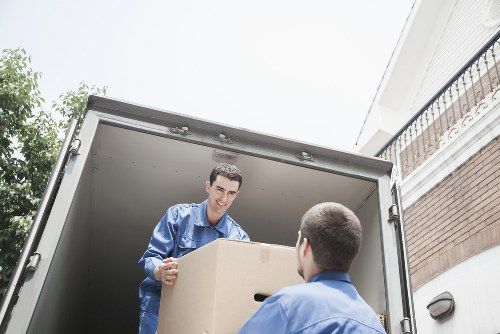
Choosing the right vehicle and loading method can make a considerable difference to how the move feels. A van-based removal is often suitable when access is tight, when the load is mixed, or when only a modest volume of goods needs to travel. The benefit is flexibility: items can be loaded in a sensible order, protected against movement and unloaded with less handling than might be needed if several separate vehicles were used.
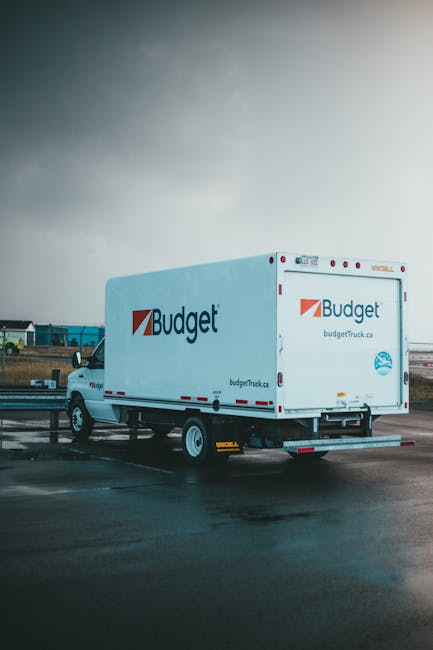
Moving van and moving truck pages can help customers think about capacity and suitability, especially where the load might be larger than first expected. The main point is to match the vehicle to the volume, dimensions and access conditions. A van can be ideal for many domestic and small business jobs, while larger loads may need a different arrangement depending on the actual contents.
Loading carefully matters because well-packed items are less likely to shift during transit. Heavy pieces are usually positioned first, lighter or more delicate items are kept secure, and furniture is loaded so that surfaces are not crushed by unstable boxes. This is practical work rather than guesswork, and it helps protect both the items and the building access points used during the move.
About East Bedfont
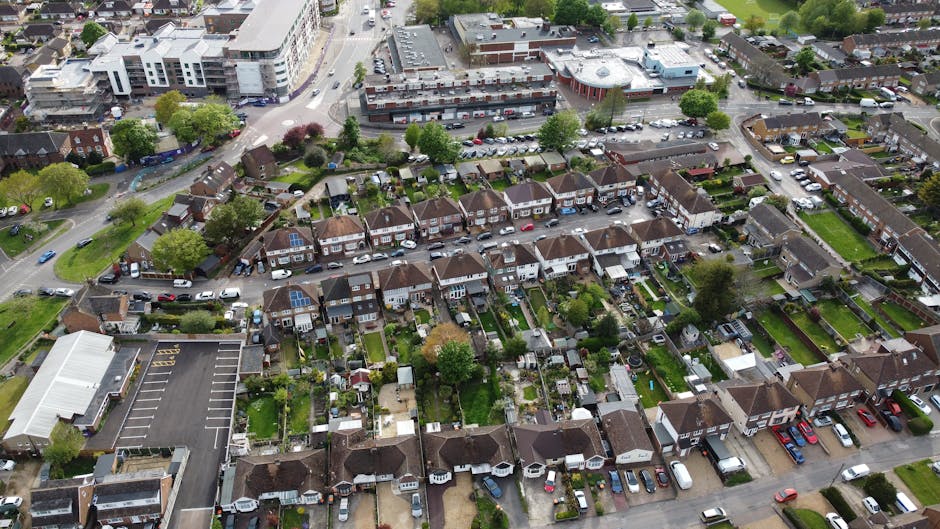
East Bedfont is a district in the London Borough of Hounslow, close to Heathrow and shaped by its position between suburban streets, employment land and transport corridors. Historically part of Middlesex, it sits near the older village of Bedfont and has long been influenced by the wider growth of west London and airport-related development. The area’s character is mixed: residential roads sit alongside open spaces, local facilities and routes that connect towards Feltham, Hatton and other nearby parts of Hounslow. That blend gives East Bedfont a practical, lived-in feel rather than the tightly packed centre associated with inner London districts. The locality also includes access to green spaces and walking routes associated with the River Crane and the surrounding parkland network, which add a softer edge to an area otherwise shaped by movement and infrastructure. Like many west London neighbourhoods, its streets show layers of development from different periods, with terraced housing, later housing estates and more recent commercial uses appearing across a relatively compact area. The setting near Heathrow means roads in and around East Bedfont are strongly connected to transport patterns, yet the district still retains its own community identity through local schools, churches and everyday neighbourhood life. For anyone unfamiliar with the area, it is best understood as a place where residential convenience, airport proximity and historic village origins all sit close together.
Household, office and specialist handling options
Not every move is simply a matter of carrying boxes from one place to another. Some jobs involve dismantling furniture before loading, separating items for different destinations or managing pieces that are unusually heavy or awkward. A van-based service is useful because it can be adapted to the shape of the load and the access at each property. That flexibility is often more valuable than trying to force every job into the same process.
Man and van removals are often chosen for moves that need hands-on help but do not require a large team or a full-size removal operation. This can suit customers moving from rented accommodation, transferring items into storage or taking a few larger pieces to a new address. The work is still removal work, but it stays practical, direct and proportionate to the load.
Where the move includes mixed household contents, office boxes or a blend of furniture and loose items, it can help to sort the load into what should travel together and what can be handled separately. Keeping related items together reduces confusion on delivery and makes unloading more efficient. It also gives the move a clearer structure, especially when different rooms or areas are involved at the destination.
Pricing factors and quotation details

Quotation work is usually based on the amount to move, the access at both addresses and the level of handling needed. A straightforward local collection may need only a brief description, while a fuller household move may involve more detail about stairs, parking or dismantling. This is not about adding complication for its own sake; it is about making sure the plan fits the real work.
Pricing and quotes information can help customers understand the main factors that influence a move. These often include distance, time spent loading and unloading, whether the load needs wrapping or protection, and whether any pieces require extra lifting care. The right quotation is one that reflects the job as described rather than relying on assumptions about size or simplicity.
If you are preparing to ask for a price, a short written summary is usually enough: what needs moving, where it is going and whether any items are fragile, heavy or unusually large. You do not need to over-explain every object, but the more accurate the description, the easier it is to propose a practical arrangement. Clarity helps, especially when time on site will be limited.
Collection, delivery and responsible movement of items
Some jobs involve delivery rather than relocation, particularly when a customer has bought second-hand furniture, arranged a marketplace collection or needs an item transported from one location to another. These jobs still need the same sensible handling as a house move: measuring up the item, checking access and making sure the contents are loaded securely. The difference is that the load may be smaller and the destination more varied.
House removals and house movers pages can be helpful if you are comparing domestic moving options and want to understand the kind of work involved. Even when the move is modest, the same core principles apply: protect the item, manage the lifting and keep the sequence of work clear. Good removal work is usually the result of careful decisions rather than rushed lifting.
Customers who only need transport for part of a home, one room or a single bulky item can still benefit from a structured approach. The van should be loaded so that items are secure and easy to unload in the right order. That way, the move stays efficient without sacrificing care, which matters when furniture has finishes, glass parts or delicate fittings.
Safety, protection and sensible preparation
Safe moving depends on simple but important habits: using the right lifting technique, protecting items from knocks and making sure heavier pieces are not placed in a way that causes damage. Good preparation also means thinking about floors, door frames and narrow corridors, because those are often the parts of a property most likely to be marked if the move is rushed. A careful approach reduces avoidable wear on both the property and the items being moved.
Insurance and safety information is relevant to any customer who wants to understand how moving work is handled responsibly. The emphasis should always be on sensible loading, awareness of the surroundings and keeping the load secure throughout the journey. Safety is not just a formal subject; it is part of how the move is planned, carried and completed.
Before moving day, it helps to separate what is travelling from what is staying, and to keep smaller loose items grouped so they do not go missing in the general load. That is particularly useful for households or small businesses that are moving many similar-looking boxes. A little order at the start can make unloading far easier at the end.
How to organise a straightforward move

When you are ready to arrange the work, the process is usually most useful when it stays simple. Start by identifying the items that need to move, then note anything that may affect loading, such as stairs, parking or pieces that need dismantling. If you are only moving a few objects, a short description may be enough; if the job is larger, a more detailed list can help shape the plan more accurately.
Contact us if you would like to discuss a move in East Bedfont and ask for a quotation. Keep the enquiry practical and specific, and we can look at the most suitable way to handle the work. If you are comparing options first, browse the service pages, then send your details when you are ready to move ahead.
A well-organised move is usually the result of good information, sensible loading and a service that matches the size of the job. Whether you need furniture collected, a home move completed or office items transported, the aim is to keep the process clear and manageable from start to finish.