Avoid Fines in East Bedfont: Council Waste Rules Explained
Posted on 05/07/2026

If you are dealing with waste in East Bedfont, whether it is from a house move, a clear-out, or a last-minute furniture disposal, the rules can feel oddly strict. That is because they are. And when waste is put out incorrectly, left on the pavement too early, or handed to the wrong people, fines can follow. This guide to Avoid Fines in East Bedfont: Council Waste Rules Explained breaks everything down in plain English so you can stay on the right side of the rules without turning the whole job into a headache.
We will cover what the rules usually mean in practice, how to avoid common penalties, what to do with bulky items, and how to plan a move or clear-out cleanly. If you are already juggling boxes, parking worries, and timing, you are not alone. Let's make it simpler.
Why Avoid Fines in East Bedfont: Council Waste Rules Explained Matters
Waste enforcement is one of those things people tend to ignore until it lands on their doorstep. In East Bedfont, that usually happens when someone leaves a mattress outside for "just one night", puts a fridge in the wrong place, or assumes a neighbour's bin is fair game. A small mistake can become an expensive one surprisingly fast.
The bigger issue is that waste problems rarely happen in isolation. They often appear during moves, end-of-tenancy clean-ups, office clear-outs, and renovation jobs. That is why this topic matters so much locally. The same busy streets, shared bin areas, narrow access points, and time pressure that make East Bedfont practical for everyday life can also make waste disposal more awkward than people expect.
There is also a hidden benefit to staying compliant: it keeps your move moving. If waste piles up near the kerb, you may end up blocking access, annoying neighbours, or delaying removals work. In our experience, a tidy disposal plan saves time, reduces stress, and avoids awkward conversations with landlords or managing agents. Nobody wants that on moving day, really.
Expert summary: The easiest way to avoid waste fines is not to "wing it" on collection day. Plan what you are discarding, know which items need special handling, and make sure nothing is left where it should not be.
How Avoid Fines in East Bedfont: Council Waste Rules Explained Works
At a practical level, the waste rules are about three things: what you are disposing of, how you present it, and when you place it out. That sounds simple, but this is where most problems start. Different waste types need different treatment, and council collection systems are usually built around that difference.
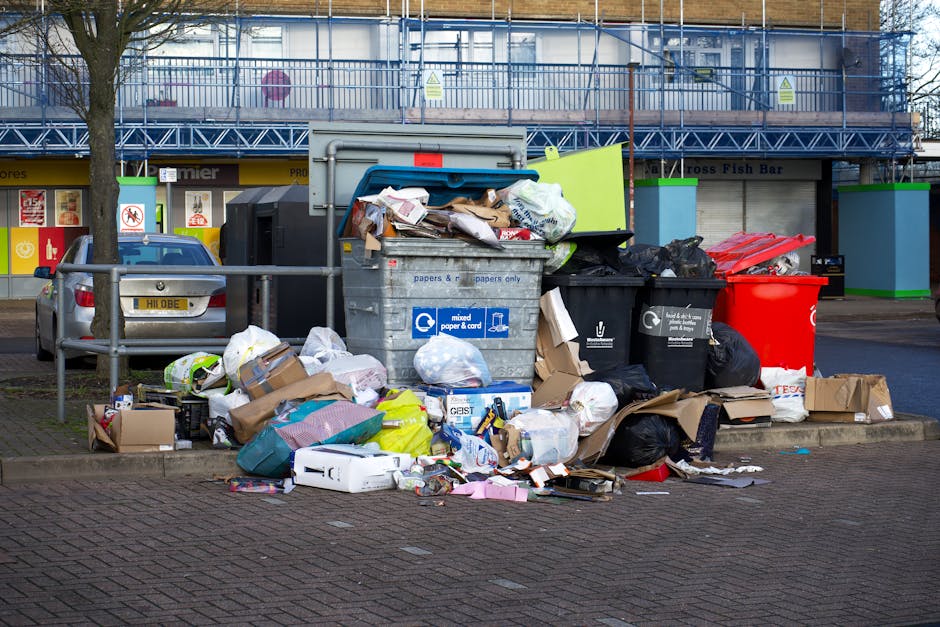
Typical household waste is expected to go in the correct bins or be presented exactly as instructed for collection. Anything outside that system - bulky furniture, broken appliances, construction debris, loose rubbish bags, or mixed waste dumped in the wrong place - can attract enforcement action. The same goes for fly-tipping, which is not just "a bit of rubbish left behind". It is treated seriously because it creates a public nuisance and a cleanup cost.
If you are moving, decluttering, or clearing a property, the process is usually smoother when you split waste into categories:
- Regular household waste such as food packaging, general rubbish, and everyday bin waste.
- Recyclable materials like clean cardboard, paper, glass, metals, and some plastics where accepted.
- Bulky items such as wardrobes, sofas, beds, and mattresses.
- Electrical items like TVs, freezers, washing machines, and smaller appliances.
- Hazardous or awkward items including paint, chemicals, batteries, and some DIY waste.
The key point is that "waste" is not one single thing. A sofa and a bin bag are handled very differently. If you want a broader moving-and-disposal overview, the article on avoiding bulky waste fees in East Bedfont is a helpful companion read.
Timing matters too. Putting items out too early can create complaints or enforcement issues. Putting them out too late can mean missed collections and extra hassle. A simple schedule, written down or on your phone, helps more than people expect. Truth be told, the phone reminder is often the hero of the day.
Key Benefits and Practical Advantages
Getting waste disposal right is not just about avoiding a fine. It has a few very practical upsides that are easy to overlook when you are in a hurry.
- Lower risk of penalties: That is the obvious one, but still the main reason people search this topic.
- Cleaner move-out experience: Less clutter means easier access for movers and fewer last-minute surprises.
- Better neighbour relations: Nobody likes bags left in shared spaces for days on end.
- Faster final handover: Landlords and agents are usually happier when a property is left tidy and clear.
- Safer working conditions: Proper disposal reduces trip hazards, sharp edges, and awkward lifting problems.
- More efficient recycling: Separating items properly makes reuse and recycling far more realistic.
There is also a commercial benefit if you are booking a removal team. When waste is organised in advance, the job is cleaner, quicker, and easier to quote properly. If you are still comparing options, the guide to confused removals quotes in East Bedfont explains why a quote can change depending on access, waste volume, and loading time.
Another small but real advantage: less waste stress means better decisions. People who are not scrambling tend to keep more useful items, recycle more appropriately, and avoid dumping things they later regret losing. That sounds small, but it adds up. Especially in a move. Especially on a wet Thursday evening when the stairs smell faintly of dust and cardboard.
Who This Is For and When It Makes Sense
This guidance is for anyone in East Bedfont who is about to create, move, or dispose of a noticeable amount of waste. That includes people moving house, students leaving a flat, families replacing old furniture, office teams clearing storage, and landlords preparing a property for the next occupants.
It also matters if you are dealing with awkward items. A sofa, mattress, freezer, or piano is not something you casually tuck into a normal bin cycle. For heavy or delicate pieces, planning the disposal route early is a smart move. If a specialist service is involved, you may also want to look at furniture removals in East Bedfont or, where relevant, piano removals in East Bedfont.
It makes sense to follow these rules especially when:
- you are moving out of a flat with shared bins or limited outside space
- you need to dispose of bulky furniture quickly
- you are clearing a property after a tenancy ends
- you are decluttering before putting a home on the market
- you have mixed waste from packing, repairs, or basic DIY
- you need to protect neighbours, parking access, or communal areas
If you are a student, the timing can be especially tight. End-of-term clear-outs seem simple until suddenly there are bags, boxes, food waste, and a broken chair all at once. In that situation, a little planning goes a long way. The same is true for flat moves, where access can be tight and waste can build up in hallways very quickly.
Step-by-Step Guidance
Here is a practical way to handle waste in East Bedfont without creating avoidable problems.
- Sort everything into categories. Separate general waste, recycling, bulky items, electricals, and anything hazardous or awkward.
- Check what can stay in normal collection. Do not assume all household items can go into a black bag or standard bin.
- Measure bulky pieces. A quick check on size helps you decide whether a collection, donation route, or specialist removal is best.
- Keep items indoors until collection day. Storing them neatly inside reduces the risk of complaints, theft, and weather damage.
- Do not block shared areas. Hallways, exits, pavements, and bin stores need to stay usable.
- Book disposal or removal in advance. Leaving it too late often leads to bad decisions and more cost.
- Use protective packing where needed. Wrap glass, tape loose drawers, and bag smaller loose components together.
- Leave a clear final sweep. Once the waste is gone, check corners, under radiators, behind furniture, and along skirting boards.
A useful mindset is this: if an item would make the space harder to walk through, it probably needs handling sooner rather than later. That simple test prevents a lot of mess. It also prevents the slightly embarrassing moment when you realise the "small pile" has become a room.
If the task is part of a house move, a resource like expert advice for moving house stress-free can help you blend disposal planning into the rest of the relocation. And if the move is time-sensitive, same-day removals in East Bedfont can be useful for keeping everything on schedule, provided the load and access are planned sensibly.
Expert Tips for Better Results
Most waste problems are not caused by people being careless on purpose. They happen because the final 10 percent of the job gets rushed. That is where the trouble lives.
These tips help reduce that risk:
- Declutter before moving day. If you have not used it in a year, ask whether it deserves space in the new place. The guide to decluttering before a move is a good place to start.
- Break the job into small wins. Do one room, one cupboard, or one category at a time. It feels manageable and you make fewer mistakes.
- Pack with the destination in mind. If something is being donated, recycled, stored, or thrown away, label it clearly. Future-you will thank present-you.
- Use the right lifting method. This matters more than people think when waste is heavy or awkward. The article on lifting heavy objects safely is a smart refresher.
- Do not mix clean recycling with dirty rubbish. Once items are contaminated, recycling options can shrink.
- Keep routes clear. You want the front door, stairs, and path to the vehicle to stay open and dry, not cluttered with half-finished piles.
One more thing: if you are storing items temporarily before disposal, make sure they are safe and dry. A damp mattress or mouldy sofa is a worse problem than the original waste item. If that rings a bell, the article on keeping a sofa pristine in storage may be useful too.
To be fair, the simplest expert tip is usually the best one: plan the waste before you plan the lift. It sounds backwards, but it stops a lot of nonsense.
Common Mistakes to Avoid
Here are the errors we see most often in local moves and clear-outs:
- Leaving rubbish outside too early. It may look tidy to you, but it can be treated as improper presentation or fly-tipping risk.
- Assuming bulky items count as normal waste. A sofa is not a bin bag. It really is not.
- Mixing waste types. Cardboard, food waste, broken electronics, and general rubbish should not be bundled together by default.
- Forgetting about communal rules. Flats, managed blocks, and shared houses often have extra expectations around waste storage and collection.
- Not checking access. If the collection vehicle cannot get close enough, the whole plan can unravel.
- Improvised dumping. Empty corners, service roads, and alleyways are not acceptable shortcuts.
- Underestimating timing. A collection booked too late can leave you holding waste for days, which is exactly when fines or complaints happen.
Another common issue is moving-day exhaustion. People do the heavy lifting, clean the kitchen, pack the van, and then at the end just leave one last bag "for later". Later turns into forgotten. Forgotten becomes a problem. That last bag is often the one that causes the most trouble.
If waste is getting in the way of the move itself, you may benefit from reading about smart packing techniques for a smooth relocation and move-out cleaning hacks for a cleaner handover. They fit neatly with proper waste planning.
Tools, Resources and Recommendations
You do not need fancy equipment to stay compliant, but a few basic tools make life easier:
- Strong bin bags or rubble sacks for loose waste and mixed light rubbish
- Labels and marker pens for separating keep, donate, recycle, and dispose piles
- Gloves for handling sharp or dirty material
- Tape and wrap for securing loose drawers, broken edges, or cable bundles
- A tape measure for bulky items
- A phone reminder or checklist for collection timing and booking dates
For readers dealing with furniture, appliances, or complex property clear-outs, it is often worth using a removal provider rather than trying to improvise everything yourself. A service such as removals in East Bedfont or man and van East Bedfont can help if you need practical loading support without a full-scale move.
If you are comparing the wider support available, the services overview page is useful for understanding how different jobs may be handled, while recycling and sustainability can help you think through disposal with less waste and more reuse where possible.
And if you are simply trying to understand what a removal plan might cost, the pricing and quotes page is a sensible next stop. It is always better to know the shape of the cost before the driveway is full and everyone is tired.
Law, Compliance, Standards, or Best Practice
This is one of those topics where careful wording matters. Waste enforcement can involve local council rules, tenancy obligations, property management terms, and wider UK waste disposal expectations. The exact details can vary by item type and by situation, so it is wise to treat any disposal plan as context-specific rather than universal.
In plain English, the safest best practice is:
- dispose of waste through a legitimate and appropriate route
- do not leave rubbish in public places or shared spaces without permission
- keep recyclable waste separate where practical
- treat electricals, mattresses, and large furniture as special categories
- follow any building, landlord, or management instructions for communal areas
If you are moving from a flat or shared building, the detail becomes even more important. Shared entrances, narrow stairwells, and limited bin storage can all affect how waste should be staged. A useful local read is East Bedfont TW14 moves and parking rules, because access and parking often influence where waste can safely sit while you are working.
One practical standard worth following is simple housekeeping: if you would not be comfortable leaving an item in that spot for 24 hours, it probably should not be there at all. That rule sounds almost too basic, but it stops many avoidable problems.
Options, Methods, or Comparison Table
There are several ways to deal with waste in East Bedfont. The right one depends on volume, item type, access, and how quickly you need it gone.
| Option | Best for | Pros | Limitations |
|---|---|---|---|
| Normal bin collection | Everyday household waste | Convenient, low effort | Only suitable for correct waste types and quantities |
| Recycling separation | Clean recyclables and cardboard | Better environmental outcome, less general waste | Items must usually be sorted properly |
| Bulky item collection | Sofas, beds, wardrobes, mattresses | Useful for larger objects | Needs planning and may not suit urgent jobs |
| Specialist removal support | Mixed or heavy loads, awkward access | Practical, time-saving, safer for large items | Requires booking and clear scope |
| Self-haul to disposal point | Small van loads or one-off clear-outs | Flexible if you have transport | Time-consuming and physically demanding |
For many East Bedfont residents, the most efficient route is a mix of approaches. For example, bin the obvious household waste, recycle what is clean and separable, and book support for the heavy bits. That avoids turning one clear-out into three separate crises.
If you are dealing with a very specific household item, the following can help: bed and mattress moving advice, freezer storage guidance, and even staircase protection tactics when you are moving bulky items through tight spaces.
Case Study or Real-World Example
Here is a realistic example, based on the kind of moving job that comes up all the time in East Bedfont.
A couple are leaving a first-floor flat in TW14. They have a sofa they no longer want, two broken office chairs, several boxes of packing waste, an old freezer that stopped working months ago, and a few general household bags. At first, they think they can just "leave everything at the side" and deal with it later. Then they remember the building has shared access and the move-out window is tight. Suddenly, the easy plan looks less easy.
What works better?
- They separate the cardboard and soft packing materials.
- They keep the freezer indoors until a proper removal slot is arranged.
- They bag ordinary waste for the correct collection day.
- They move the sofa through the stairs carefully, using protection where needed.
- They make sure nothing is left on the pavement or in the communal hallway.
The result is calmer, cleaner, and less risky. No awkward pile by the entrance. No complaints from neighbours. No frantic last-minute decision about where the sofa should go. And, just as importantly, they are not dealing with a fine or a warning letter on top of the move.
That is the basic pattern you want to copy: sort early, keep access clear, and use the right route for the right item. Not glamorous, but effective.
Practical Checklist
Use this checklist before you put any waste out or book a collection:
- Have I sorted waste into the correct categories?
- Do I know which items need special handling?
- Have I checked whether the item is bulky, electrical, or hazardous?
- Is anything being left in a hallway, driveway, or shared area?
- Do I have a confirmed collection or removal time?
- Have I kept my access route clear for movers or collectors?
- Have I separated recycling from general waste as far as practical?
- Have I protected floors, stairs, or walls where large items will pass through?
- Have I removed loose parts, cables, drawers, or fragile attachments?
- Have I made a final sweep so nothing gets forgotten?
Quick tip: if you can answer every item above with confidence, you are already far less likely to run into waste trouble.
Conclusion
The heart of Avoid Fines in East Bedfont: Council Waste Rules Explained is simple: know what you are throwing away, keep it in the right place, and do not leave disposal until the very end. Most penalties come from rushed decisions, not from huge mistakes. That is reassuring, because it means a little organisation goes a long way.
Whether you are moving home, clearing a flat, or getting rid of bulky items, the safest approach is the same. Sort properly, use the right disposal route, keep shared spaces clear, and plan ahead for anything awkward. It saves money, saves time, and honestly saves a lot of irritation.
If you want help turning a messy clear-out into a straightforward job, a well-planned removal service can make a real difference. And if you are in the middle of a bigger move, combining waste planning with the right removal support is often the cleanest way through.
Get a free quote today and see how much you can save.
Quietly getting it right is still a win, especially on a busy East Bedfont street when the van is waiting and the kettle has gone cold.