East Bedfont (TW14) Moves: Parking Rules
Posted on 02/06/2026
Moving day in East Bedfont can feel straightforward right up until the van arrives and you realise the parking is tighter than expected. A narrow road, a busy school run, a loading bay already occupied, or a neighbour's car parked just where you hoped to stop can quickly turn a well-planned move into a scramble. That is why understanding East Bedfont (TW14) moves: parking rules matters so much. It is not just about avoiding a ticket. It is about keeping the move calm, keeping access clear, and protecting your time, your budget, and your back. Truth be told, a lot of moving stress starts at the kerbside.
This guide explains the practical side of parking for removals in East Bedfont, how to plan around local restrictions, when to think about permits or exemptions, and what to do if you are using a man with a van, a larger removal vehicle, or a same-day service. You will also find a checklist, a comparison table, and realistic advice that helps in the real world, not just on paper.
Why East Bedfont (TW14) Moves: Parking Rules Matters
Parking is often the hidden factor that decides whether a move runs smoothly or turns messy. In East Bedfont, as in much of west London and the Heathrow fringe, you can come across residential streets, shared access roads, tighter turning areas, and periods of heavier daytime traffic. A removal van that cannot stop close to the property means extra lifting, extra time, and sometimes extra cost. Not ideal.
For families, students, flat movers, and business customers alike, the parking side of the job affects everything else. If the vehicle ends up too far from the door, heavy furniture has to travel further. That increases the risk of damage and makes the job more tiring for everyone involved. If you are already organising house removals in East Bedfont or booking flat removals for a smaller property, parking should be on the plan from day one, not added as an afterthought.
There is also the cost of avoidable disruption. A delayed arrival can squeeze the whole schedule, especially if you are working around a building handover, lift booking, school pickup, or office closing time. And parking mistakes can mean more than frustration. They can lead to penalties, complaints from neighbours, or a vehicle being left in a poor position for loading. No one wants to start a move with a chorus of horns behind them.
So yes, parking rules matter because they protect time, access, safety, and peace of mind. That is the simple version. The less simple version is that a little planning here can save a lot later, which is usually the case with moving, isn't it?
How East Bedfont (TW14) Moves: Parking Rules Works
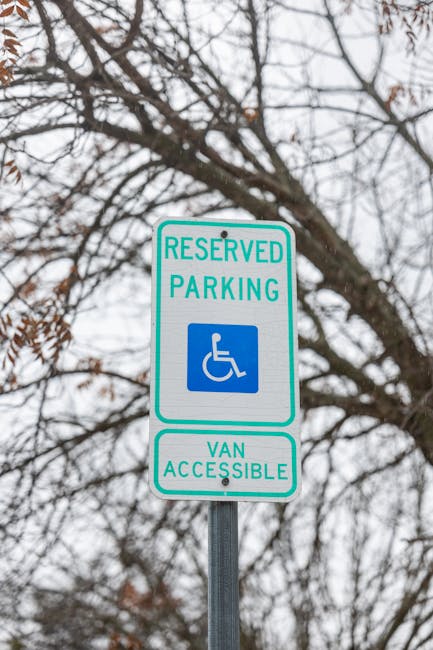
In practical terms, parking for a move usually comes down to three things: where the vehicle can legally stop, how long it can stay there, and whether that stop will block traffic, pedestrians, driveways, or loading access. In some streets, it may be perfectly fine to load from the road for a short period. In others, you may need a permit, a bay suspension, or at least a careful check of local restrictions.
The exact approach depends on the street, the time of day, the size of the van, and the type of property. For example, a small man and van service in East Bedfont may be easier to position than a larger removal lorry, but size is only part of the story. A bigger van might still be the better option if it reduces trips and gets the job done faster. There is a balance there.
As a rule of thumb, the process usually looks like this:
- Check the street for yellow lines, bays, resident-only spaces, or loading restrictions.
- Look for signs that mention time limits, permit zones, or enforcement hours.
- Decide whether the vehicle can stop safely close enough to load without blocking access.
- Arrange any permit, bay suspension, or building permission that may be needed.
- Brief the driver in advance so they know where to park and what backup options exist.
In many cases, the best parking plan is not the nearest space on the day. It is the space that gives you legal access, enough room to work, and a realistic route between the van and the front door. That may sound obvious, but under pressure people often choose the first available spot and hope for the best. Hope is useful for a lot of things. Parking is not one of them.
If you are organising other moving tasks at the same time, it helps to read up on smart packing techniques for a smoother move and stress-free moving advice so the vehicle plan and packing plan support each other.
Key Benefits and Practical Advantages
Getting parking right is not glamorous, but it makes a visible difference. You can feel it on the day. The van is where it should be, boxes move in steady rhythm, and nobody is standing around waiting for a suitable gap in traffic. Small thing, big impact.
- Less lifting distance: Closer parking means fewer steps with heavy boxes, appliances, or awkward furniture.
- Lower damage risk: Shorter carrying routes reduce bumps on walls, door frames, and stair rails.
- Better time control: The crew can load and unload more efficiently, which matters on tight schedules.
- Fewer disputes: Clear parking arrangements reduce neighbour friction and building complaints.
- Safer working conditions: Less carrying over long distances helps prevent slips and strains.
Another advantage is that parking planning helps you choose the right removal service. If access is awkward, you might prefer a smaller vehicle, a split load, or a service with experience in tight residential streets. That is one reason people browse options like removal services in East Bedfont and compare them against local removal companies. The service should fit the street as well as the home.
Expert summary: parking rules are not just admin. They shape the pace, safety, and cost of the whole move. If you treat parking as part of the move plan, not a side note, everything tends to go better. Funny how that works.
Who This Is For and When It Makes Sense
This topic matters to a wide range of movers, not just large family homes. If you live or work in TW14 and need a van close to the property, parking planning is relevant. Very relevant.
- House movers: Especially if you have multiple bedrooms, bulky furniture, or access through a narrow street.
- Flat movers: Flats often come with shared entrances, limited loading space, or parking controlled by landlords or managing agents.
- Students: Short-notice or term-time moves can hit busy parking windows and tighter budgets, so quick planning helps. If that sounds familiar, see student removals in East Bedfont.
- Office or small business moves: Timing and access can be more sensitive, especially if staff, deliveries, or visitors still need to get in and out.
- Anyone moving bulky items: Pianos, sofas, beds, and white goods are harder work when the van cannot park near the entrance.
It also makes sense if you are arranging a same-day removal in East Bedfont. Urgent jobs leave less room for trial and error, so the parking side needs to be sorted quickly and sensibly. In an urgent move, the difference between "fine" and "problem" can be one overlooked signpost.
And if you are unsure how much vehicle size matters, consider checking the details of a removal van in East Bedfont before you book. Sometimes the best choice is the one that fits the road, not just the sofa.
Step-by-Step Guidance
Here is a practical way to handle parking for a move in East Bedfont without overcomplicating it.
1. Start with the street, not the van
Before you book anything, look at the road outside the property. Is it a quiet residential street, a busier route, or a road with obvious parking pressure? Are there marked bays? Yellow lines? Driveways? A quick walk outside at the same time of day as the planned move can tell you a lot. Evening and morning can feel like different streets entirely.
2. Check signs carefully
Signs matter more than assumptions. Look for resident permit zones, loading restrictions, pay-and-display rules, or timed restrictions. If the street has controlled parking, do not guess. A five-minute read of the sign can save a lot more than five minutes of trouble later.
3. Measure the practical access route
Think beyond the parking space itself. Can the van doors open properly? Is there room for a trolley? Are there steps, a steep kerb, or a long walk to the entrance? If you know large items are involved, this is where staircase protection tactics and good loading prep become useful. Parking and access always travel together.
4. Confirm the moving window
Some buildings, landlords, or neighbours care a lot about timing. If your block has a lift booking, common area rules, or loading slot, make sure the van arrival matches that slot. A van arriving too early can create just as much friction as one arriving too late.
5. Arrange permission where needed
If a permit, suspension, or special access arrangement is required, sort it before the moving day. If you are using professionals, ask whether they help guide you on parking arrangements. Many do, but it is wise to confirm. Clear roles prevent confusion.
6. Set up a backup plan
What if your preferred space is taken? Have an alternative. This might be a nearby side street, a temporary wait-and-load position, or a short staggered loading approach. The point is to avoid last-minute panic. Parking drama is rarely improved by improvising in front of the house with a clock ticking.
If you need to move awkward furniture after parking, read about moving beds and mattresses safely and safe lifting techniques for heavy objects. Good parking makes those jobs far easier, but sensible handling still matters.
Expert Tips for Better Results
Little details make the biggest difference here. They really do.
- Visit at move time if you can: A street that looks calm at 10 a.m. may be much busier at school-run time or after work.
- Keep the route clear: Ask household members to move bins, bikes, and plant pots before the van arrives. It sounds minor, but it saves back-and-forth steps.
- Use one person as the parking contact: Too many people giving instructions at once can slow everything down.
- Label large items clearly: If the van is parked legally but a little further away than hoped, clear labels help the crew load faster and in the right order.
- Think about weather: Rain, icy patches, or wet leaves can make a short carry feel much longer. A dry route matters more than people expect.
- Speak to neighbours politely in advance: A quick heads-up can prevent complaints if a van needs to use a narrow stretch briefly.
For heavier specialist items, parking planning becomes even more valuable. A piano or large cabinet is not something you want to drag too far. If that is part of your move, it is worth reading piano removals in East Bedfont and even the related discussion on why DIY piano moving can cost more than you think. Sometimes the safest move is also the simplest one.
Small but useful reminder: if the van can get close, do not waste that advantage by packing poorly. Tight parking plus messy packing equals a longer day. Nobody needs that.
Common Mistakes to Avoid
Most parking problems during a move come from predictable mistakes. The good news is that they are avoidable if you know what to watch for.
- Assuming the space will be free: In busy areas, parking competition is real. Assume the obvious spot may already be taken.
- Ignoring loading restrictions: A space that looks convenient may still be unusable at your chosen time.
- Using the wrong vehicle size: A van that is too large may be harder to position, while one that is too small can create extra trips.
- Leaving parking until the last minute: By then, your options are often worse and your stress is higher.
- Blocking drives or access points: Even a short stop can upset neighbours if it blocks them in.
- Forgetting about loading height or kerb space: A vehicle may technically fit, but be awkward to unload safely.
- Not telling the mover about access issues: If the driver expects to stop at the door and cannot, everything slows down.
There is also a quieter mistake: not planning how parking affects the rest of the move. For example, if you are storing items, decluttering, or packing in stages, the loading order matters. A good source of practical prep ideas is decluttering before the move and smart packing techniques. Keep the front-load items accessible and the day runs more cleanly. Simple, but effective.
Tools, Resources and Recommendations
You do not need a complicated toolkit to plan parking well. A few basics are enough.
- Street view and mapping tools: Helpful for checking road layout, bay positions, and approach routes.
- Phone camera: Take pictures of signs, restrictions, and potential parking spaces ahead of the move.
- Measuring tape: Useful if you need to estimate whether a van can fit near a gate, driveway, or curbside gap.
- Notebook or moving checklist: Keep the parking plan alongside the inventory and schedule.
- Contact details for the mover: Make sure the driver can be reached on the day.
If you are comparing ways to move, look at the service pages that match your situation. A homeowner may need broader support from house removals in East Bedfont, while a business might prefer office removals with tighter scheduling. For smaller or quicker jobs, the simpler option may be enough. The right fit depends on access, load size, and timing.
It can also help to understand the provider's approach to trust and safety. Pages like insurance and safety and health and safety policy are worth reviewing before you book, particularly if the move involves heavy lifting, fragile items, or awkward parking.
And if you are still comparing services, the services overview can help you decide what level of support you actually need. That alone can save money. Sometimes the best move is the one that trims the unnecessary bits.
Law, Compliance, Standards, or Best Practice
This part is worth handling carefully. Parking rules can vary depending on the street, nearby landowners, and whether the road is subject to local parking controls. Rather than guess, treat signage and local instructions as the primary source on the day. If a bay is resident-only, restricted to loading, or suspended for certain times, those details matter more than any general assumption.
For removals, the practical best practice is simple: do not obstruct emergency access, do not block driveways, and do not leave a vehicle where it creates danger or predictable conflict. If a move needs special parking arrangements, it is sensible to plan them in advance, especially in built-up residential streets. That is the accepted professional approach, and frankly it avoids a lot of awkward conversations.
Where a move involves a shared building, check any house rules or management instructions as well. Flats often have extra access expectations, and larger furniture or staircase work can be affected by how the vehicle is positioned. If your move involves a lot of stairs or tight landings, the article on protecting staircases during a move may be useful, because parking and interior protection are two halves of the same job.
It is also sensible to use a mover that follows clear safety and conduct standards. You can review company information such as about us, terms and conditions, and complaints procedure so you know what support is available if something needs attention. That may sound formal, but it is part of choosing a provider you can trust.
Options, Methods, or Comparison Table
There is no single perfect parking method for every move in East Bedfont. The right option depends on the street, load size, and level of access. Here is a practical comparison.
| Approach | Best for | Pros | Watch-outs |
|---|---|---|---|
| Kerbside loading from a legal space | Short moves, lighter loads, quieter streets | Fast, simple, usually efficient | May be limited by local restrictions or space availability |
| Permit or pre-arranged parking | Controlled parking zones, busy residential roads | More certainty, less risk of enforcement issues | Needs advance planning and sometimes approval |
| Nearby street parking with trolley transfer | Tight roads or occupied spaces | Flexible when door-side parking is impossible | More carrying distance, more physical effort |
| Smaller van with multiple trips | Flats, student moves, narrow access roads | Easier to position, often easier to manoeuvre | Can take longer if the load is large |
| Larger van or full removal vehicle | Full house moves, bulky furniture, long-distance jobs | Fewer trips, better for volume | May be harder to park near the property |
If you are unsure which approach suits you, a good starting point is often to ask whether access or volume is the main challenge. If access is the problem, go smaller or plan better parking. If volume is the issue, a larger vehicle may still be the better answer even if it needs more careful positioning. There is no magic formula, only a sensible choice.
Case Study or Real-World Example
Picture a typical East Bedfont move on a weekday morning. The household is leaving a two-bedroom flat, with a sofa, bed frames, several boxes of books, and a washing machine. At first glance, the road seems manageable. But by 8:15 a.m., a couple of cars have filled the easier spaces, and the nearest bay is already taken.
The sensible move is not to force the van into a poor position or circle endlessly. Instead, the driver uses a pre-checked alternative around the corner, stops legally, and loads in a staged order: boxes first, then lighter furniture, then the heavier items once the route is clear. It means a slightly longer carry, yes, but the job stays orderly and no one is blocked in. The sofa arrives without a scuff, the stairs are protected, and the move finishes with less fuss than expected.
That kind of scenario is common. The win is not perfection. It is planning well enough that an imperfect parking situation does not become a disaster. To be fair, most moves are won or lost by these small adjustments rather than one big dramatic moment.
If the move included specialist items, the parking plan would matter even more. A piano, for instance, would need a clear route and a stable loading position. That is why specialist services such as piano removals or careful furniture handling often make sense when the item is large, fragile, or heavy.
Practical Checklist
Use this checklist before move day. It is basic, but it covers the essentials.
- Check the street for parking signs and restrictions.
- Confirm whether the property has resident, visitor, or loading-only parking.
- Take photos of the space and any relevant signs.
- Ask the mover what vehicle size they plan to use.
- Share access details, including gates, steps, and narrow entrances.
- Arrange any needed permission, permit, or building approval.
- Identify a backup parking option within a reasonable distance.
- Tell neighbours if a van may briefly need to load close to the property.
- Keep pathways clear of bins, bikes, and loose items.
- Make sure the first items loaded are the ones you need quickest on arrival.
Quick takeaway: if you can answer where the van will stop, how long it can stay there, and how items will move from that spot to the door, you have already done most of the hard thinking.
If you are still at the planning stage, it may help to browse packing and boxes in East Bedfont and pricing and quotes so the logistics and budget line up before the moving date gets too close.
Conclusion
Parking is one of those move-day details that looks small until it causes a problem. In East Bedfont, where access conditions can vary from one street to the next, smart parking planning can save time, reduce lifting, protect your belongings, and keep relationships with neighbours and building managers on a good footing. It is not glamorous, but it is absolutely worth doing.
Whether you are moving a flat, a house, an office, or a single bulky item, the same principle applies: know the restrictions, think ahead, and leave room for a sensible backup. The smoother the parking plan, the smoother the rest of the day tends to be. And on moving day, smooth is a beautiful thing.
Get a free quote today and see how much you can save.
When the van can park where it should, the move feels lighter in every sense. That is usually the moment people realise the planning was worth it.