Avoid Bulky Waste Fees in East Bedfont: Disposal Options
Posted on 18/06/2026
If you have a sofa wedged in the hallway, an old mattress leaning in the spare room, or a fridge that has become more trouble than it's worth, you are probably already thinking the same thing: how do I get rid of this without paying more than I need to? The good news is that Avoid Bulky Waste Fees in East Bedfont: Disposal Options is not just about finding the cheapest route. It is about choosing the right route, timing it well, and avoiding the hidden costs that catch people out. In East Bedfont, that often means comparing reuse, resale, donation, collection, and man-and-van style removal support before you commit.
To be fair, bulky items can look straightforward right up until you try to move them. Then the stairs, parking, awkward corners, and wear-and-tear risks all show up at once. This guide walks you through the options in plain English, with practical tips you can actually use.
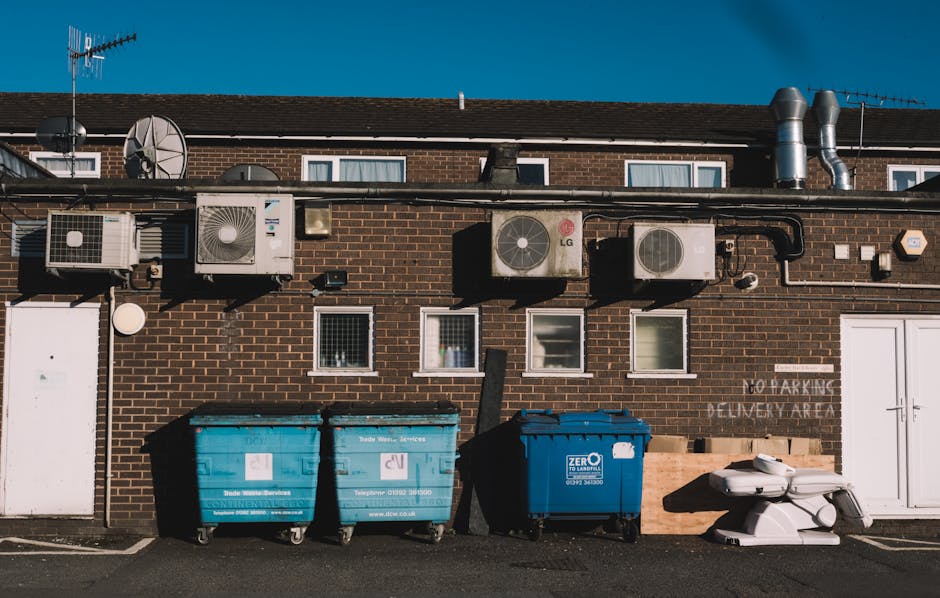
Why Avoid Bulky Waste Fees in East Bedfont: Disposal Options Matters
Bulky waste is one of those jobs that looks small on paper and turns into a full afternoon in real life. A single wardrobe can be heavy, awkward, and messy; a sofa may not fit through the door without careful turning; and an appliance can need safe handling if it still contains parts that should not be tipped or damaged. When people in East Bedfont search for disposal help, they are usually trying to solve three problems at once: space, cost, and convenience.
Why does the fee side matter so much? Because bulky item removal charges can feel unpredictable if you do not plan. You may end up paying extra for access issues, lifting difficulty, or last-minute arrangements. That is especially frustrating when the item itself may still have value, or at least some reuse potential. The smarter approach is to compare disposal methods before booking anything. Sometimes the cheapest option is not a council-style collection at all, but a careful declutter plus a local removal service that handles several items in one go.
There is also a practical East Bedfont reality: many homes have tight access, shared entrances, limited parking, or narrow staircases. If you want a smooth job, the route from the room to the vehicle matters nearly as much as the vehicle itself. That is why planning around access, lifting, and timing can save you more money than chasing the lowest headline price.
If you are already thinking about decluttering before a move, the advice in these decluttering secrets for moving prep can help you decide what is worth keeping, selling, or removing now rather than later.
How Avoid Bulky Waste Fees in East Bedfont: Disposal Options Works
The basic idea is simple: instead of defaulting to the first disposal option you see, you assess the item, its condition, and the level of effort involved. A bulky item may be:
- reusable and suitable for donation or resale
- non-reusable but safe for collection and recycling
- too large or awkward for a solo lift
- part of a wider clear-out that benefits from one organised collection
In practice, the process usually goes like this. First, you identify what the item is made of and whether it needs special handling. A sofa, bed frame, washing machine, freezer, piano, or office desk all come with different considerations. Next, you check whether the item can be dismantled. Breaking down a bed frame or removing sofa legs can reduce labour and sometimes reduce cost. Finally, you decide how it will leave the property: reuse, donation, direct removal, storage, or recycling.
Many people also combine disposal with a wider move or house clearance. That can be efficient if you are already organising transport. For example, if you are moving flats and clearing furniture at the same time, a local team that handles flat removals in East Bedfont or man and van support in East Bedfont can often help with both removal and disposal coordination in one visit. Less back and forth. Less faff. More done.
There is no magic trick here, honestly. The savings come from planning, not luck.
Key Benefits and Practical Advantages
Choosing the right bulky waste disposal option gives you more than a lower bill. It can also make the whole project safer, cleaner, and less stressful. That matters when the item is large enough to damage walls, scratch floors, or cause injury if it slips unexpectedly.
- Lower overall cost: you avoid paying for unnecessary collection or repeated handling.
- Better time management: fewer delays, fewer failed attempts, fewer awkward "we'll come back tomorrow" moments.
- Reduced risk of damage: careful moving protects banisters, floors, and door frames.
- Safer lifting: proper technique and the right equipment reduce strain and accidents.
- More sustainable decisions: items in decent condition can sometimes be reused or directed into recycling streams.
There is also a psychological benefit that people do not talk about enough. Clearing one bulky item can make a room feel bigger immediately. You notice it when the light comes back into the space, or when a corridor stops feeling cramped. A cleaner room can genuinely change the mood of a home.
For larger furniture, you may also want to think beyond disposal and look at storage. If an item is worth keeping but not worth crowding your living space, storage in East Bedfont can be the calmer option. And if your furniture needs protection before it is moved or stored, this guide on keeping sofas pristine in storage is worth a look.
Who This Is For and When It Makes Sense
This topic is relevant to a surprisingly wide group of people. You do not need to be doing a full house clearance for bulky waste fees to matter. In our experience, the most common situations include:
- tenants moving out and trying to avoid end-of-tenancy surprises
- homeowners replacing old furniture or appliances
- students leaving shared accommodation with unwanted items
- landlords refreshing a flat between occupants
- small offices clearing desks, chairs, or filing cabinets
- families downsizing and sorting what stays, sells, or goes
It also makes sense when the item is large enough that a DIY trip feels more expensive than it first appears. Think fuel, vehicle access, heavy lifting, parking, and time off work. Suddenly that "cheap" option does not look so cheap. Who has not looked at a battered wardrobe and thought, surely there must be an easier way? Usually there is.
If you are moving soon, a little extra organisation now can save a lot later. The guide on moving house with less stress is useful if your clearance is part of a bigger relocation. For students, student removals in East Bedfont can be a practical route when time and budget are tight.
Step-by-Step Guidance
If you want the simplest way to avoid unnecessary bulky waste costs, use this sequence.
- List the items you want to remove. Be specific: sofa, wardrobe, chest freezer, bed base, desk, mattress, and so on.
- Check condition. Could it be reused, sold, or donated? If it is in good shape, disposal should not be the first thought.
- Measure access. Note stair width, hallway bends, lift size, and parking restrictions. This is where many jobs go sideways.
- Decide whether dismantling helps. Remove legs, shelves, or doors where safe and sensible.
- Separate recycling-friendly materials where possible. Metal, timber, and certain appliances may be handled differently.
- Choose the collection method. That might be local disposal support, a van-assisted removal, or a combined move-and-clear service.
- Book at the right time. If you are flexible, you may avoid the premium charged for urgent same-day help.
- Prepare the item. Empty drawers, tape loose parts, protect floors, and clear the route.
A small example helps here. Imagine you have an old bed frame and mattress. If you disassemble the frame, bundle the fixings in a labelled bag, and move the mattress separately, the collection becomes simpler and usually less stressful. You might even discover the job is easier if done alongside other moving tasks, which is why some readers pair this kind of task with guidance on easy bed and mattress moving.
Expert Tips for Better Results
Here is the kind of advice that tends to save money in the real world, not just on paper.
- Do the decluttering first. It sounds obvious, but many people book removal before they sort what can be sold, donated, or reused.
- Avoid moving one item at a time. If you have several bulky pieces, combining them into one planned collection is usually more efficient.
- Protect the route. Cardboard, blankets, or floor covers can prevent small scratches that become annoying later.
- Use proper lifting technique. Bend your knees, keep the item close, and do not twist under load. That twist is a classic back-pain trap.
- Think about timing. Early morning or off-peak collection can be easier where access is tight. Less traffic, fewer delays.
- Ask about loading help. Sometimes the real value is not the van, it is the pair of steady hands getting the item out without damage.
If the job involves a staircase, be extra cautious. A stairwell can turn a standard sofa into a wrestling match, and nobody wins that. A quick read on staircase protection tactics may save both the stairs and your patience.
One more thing: if you are not confident lifting heavy items, do not try to be a hero. That's how people end up with a strained shoulder and a half-moved wardrobe standing in the hall like a stubborn guest.

Common Mistakes to Avoid
Most avoidable bulky waste costs come from simple mistakes. The good news is that once you know them, they are easy to prevent.
- Ignoring access issues: if a sofa needs to be angled through a narrow turn, mention it before booking.
- Forgetting to measure: a mattress or wardrobe may fit in the room but not out of it.
- Leaving items empty at the last minute: drawers, shelves, and cupboards often hold more clutter than people expect.
- Assuming every item is rubbish: some pieces can still be reused or resold, even if they are not perfect.
- Booking in a rush: urgent help is useful, but it can narrow your options and increase cost.
- Not checking support policies: if you are dealing with a larger move or storage need, clarity matters.
There is also a planning mistake that comes up a lot with appliances. A freezer stored or moved incorrectly can cause mess and waste. If you are dealing with one, the practical guidance on storing an unused freezer safely is a sensible read before you do anything else.
And if you are moving an awkward item and a hallway is involved, it is worth brushing up on safe lifting techniques for heavy objects. The few minutes spent learning can save a week of regret. Not dramatic, just true.
Tools, Resources and Recommendations
You do not need fancy gear to make bulky waste disposal easier, but a few basic tools make a noticeable difference.
- Measuring tape: for checking doorways, stairwells, and item dimensions.
- Work gloves: for grip and a bit of protection from splinters or rough edges.
- Furniture sliders or blankets: useful on hard floors when shifting heavy items.
- Straps or rope: for securing parts that may move during transport.
- Marker pen and bags: ideal for screws, bolts, and fittings when dismantling items.
- Cardboard or floor protection: helpful when moving bulky furniture through narrow spaces.
For many local households, the most useful resource is not a gadget but a good plan. Make one simple list: what needs to go, what can be reused, what should be dismantled, and what needs a careful lift. If you are also packing for a move, packing and boxes in East Bedfont can support the wider sort-out. And for a more systematic approach, smart packing techniques help prevent the last-minute chaos that usually eats time and money.
When the job grows beyond a quick tidy-up, a local removal team may be the better fit. That is especially true if you are dealing with several pieces at once or need help loading from a property with difficult access. In that case, it can be worth looking at removal services in East Bedfont or man with a van support for a flexible collection option.
Law, Compliance, Standards, or Best Practice
Bulky waste disposal in the UK should be handled responsibly. The safest rule of thumb is simple: use a legitimate disposal route, keep a record of what was taken if relevant, and make sure the items are not left somewhere that could create a nuisance or environmental problem. That includes fly-tipping risks, unsafe storage in shared areas, and careless handling of electrical or heavy items.
For homeowners, tenants, and landlords alike, best practice usually means checking that waste is transferred to an appropriate route and that the process is transparent. If a provider is helping with removal, ask what happens to the items next. Some may be recycled, some may be reused, and some may need to be disposed of. A trustworthy provider should be comfortable explaining that in plain language.
Safety is part of compliance too. Heavy lifting should not be improvised. Proper manual handling, secure loading, and care around staircases and entrances reduce the chance of injury or damage. If you want a deeper sense of how professional teams think about safety, the pages on insurance and safety and health and safety policy give a useful picture of the standards expected from a serious operator.
In short: legal and practical responsibility go hand in hand. The cheapest option is not much of a saving if it creates a mess, a complaint, or a damaged property. That part is not glamorous, but it matters.
Options, Methods, or Comparison Table
Here is a straightforward comparison of the main disposal routes people tend to consider in East Bedfont.
| Option | Best for | Potential pros | Possible drawbacks |
|---|---|---|---|
| Reuse or donation | Items in good condition | Can reduce waste and avoid unnecessary disposal costs | Not suitable for damaged or heavily worn items |
| Resale or giveaway | Furniture or appliances with remaining value | May recover some money, or clear space quickly | Requires time, listing effort, and collection coordination |
| Planned collection with removal support | Multiple bulky items or difficult access | Good balance of convenience and control | Cost depends on item size, labour, and access |
| Same-day removal | Urgent clear-outs | Fast and practical in a pinch | Usually less flexible and may cost more |
| Storage first, disposal later | Items you are not ready to part with | Buys time to decide properly | Not ideal if you need space immediately |
If you are weighing urgency against cost, the guide on urgent same-day removals in East Bedfont is helpful. It will not make the item lighter, sadly, but it will help you understand what urgent support usually involves.
Case Study or Real-World Example
Here is a realistic East Bedfont scenario. A couple are moving from a first-floor flat and have a sofa, a king-size bed base, two mattresses, and an old freezer they no longer want. The first instinct is to book a single bulky-waste collection and hope for the best. But once they measure the stairwell, realise the sofa arm is the tightest point, and notice the freezer is still in a back room, they take a slower look at the options.
They start by separating the items into three groups: keep, recycle, and remove. The bed base is dismantled. The freezer is checked carefully and prepared as required. The sofa is assessed for donation potential, but it is too worn. Instead of making separate calls for each item, they arrange a combined collection with moving support. That means one arrival, one loading session, and far less disruption in the stairwell.
The biggest saving in this kind of situation often comes from avoiding repetition. One trip, one set of stairs, one loading plan. There is no heroic moment here, just sensible coordination. And honestly, that is what works.
It also helps to know the likely route and access challenges in the area. Local journey planning can make a difference, especially around busier roads and residential turns. For readers who are interested in smoother local logistics, the articles on best removal routes on Bedfont Lane and moving near Bedfont Lakes are useful background reading.
Practical Checklist
Use this before you book or move anything bulky.
- Have I checked whether the item could be reused, donated, or sold?
- Have I measured doors, stairs, and the item itself?
- Do I know whether the item can be dismantled safely?
- Have I cleared drawers, shelves, and loose contents?
- Do I know whether the item needs special handling?
- Have I protected floors, walls, and corners along the route?
- Do I have the right help for lifting?
- Have I chosen a time slot that suits access and parking?
- Is storage a better short-term option than disposal?
- Have I checked the provider's safety and insurance approach?
Expert summary: the lowest-priced bulky waste option is not always the best value. The cheapest real solution is the one that matches the item, the access, and the urgency without creating extra work later.
Get a free quote today and see how much you can save.
Conclusion
Avoiding bulky waste fees in East Bedfont is really about making better decisions before the item leaves your home. Once you compare reuse, storage, removal support, and timing, the picture gets much clearer. You may find that the best option is not the one you expected at first glance.
For some households, that means donating a usable item. For others, it means combining several bulky pieces into one organised collection. And for a few, it means choosing storage for now and disposal later, when the decision is easier. Whatever route you take, a little planning will usually save money, reduce stress, and protect your property.
Truth be told, getting bulky items out of the way can feel like a small victory. The room looks better, the path is clear, and the house breathes again. That's a decent outcome for one practical afternoon.