Best Removal Routes on Bedfont Lane, East Bedfont
Posted on 27/04/2026
If you are planning a move around Bedfont Lane in East Bedfont, the route you choose can make a bigger difference than most people expect. A good removal route is not just the shortest line on a map; it is the one that avoids low bridges, awkward turns, school-time congestion, parking bottlenecks, and last-minute delays that can throw an entire move off schedule. In a busy residential area, that extra planning can save time, reduce stress, and make loading and unloading far smoother.
This guide explains the best removal routes on Bedfont Lane, East Bedfont, how professionals think about local access, and what you can do to keep your move efficient. Whether you are moving from a flat, a family house, student accommodation, or a property with tricky access, the right route choice can turn a difficult move into a manageable one.
You will also find practical advice on route planning, safety, timing, and preparation, plus a few useful links to help you organise the rest of the moving process properly. If you are still at the packing stage, a look at packing right when changing homes and decluttering before you move can make the journey much easier before the van even starts rolling.
Why Best Removal Routes on Bedfont Lane, East Bedfont Matters
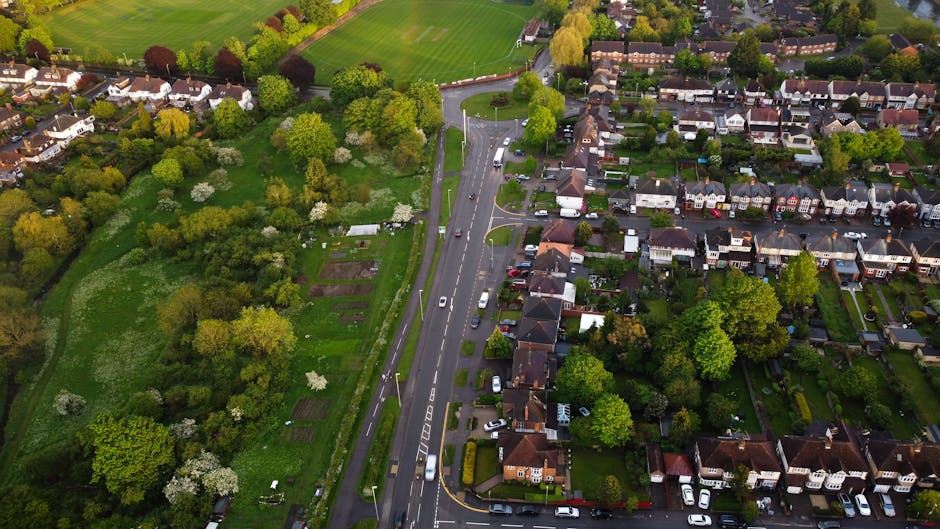
Bedfont Lane sits in a part of East Bedfont where local roads, junctions, and residential parking can affect the pace of a move more than people realise. If your van arrives on the wrong side of a timed parking restriction, or if the route brings you through a narrow section at the busiest time of day, you may lose the very time you were trying to save.
For removals, route planning is about more than direction. It affects vehicle size, loading order, access to front doors, the distance furniture must be carried, and whether your crew can work safely without blocking traffic or disrupting neighbours. That is especially important where large items such as wardrobes, mattresses, sofas, or pianos are involved.
In practical terms, the best route is the one that keeps the vehicle moving smoothly, keeps lifts short, and avoids avoidable friction. Truth be told, a move that takes ten minutes longer on paper can take an hour longer in real life if the road choice is poor.
Good route planning also supports a calmer moving day. When the driver knows where the van will stop, how long the carry will be, and where access is easiest, everything else becomes simpler. The result is less rushing, fewer damaged items, and a better experience for everyone involved.
How Best Removal Routes on Bedfont Lane, East Bedfont Works
Finding the right route starts with three questions: where is the van coming from, where does it need to park, and what can the street realistically handle? Removal work is a logistics exercise. You are matching a vehicle, a property, and a timetable to the local road environment.
A professional approach normally includes:
- checking the final destination and the easiest approach road
- identifying any tight corners, one-way sections, or height restrictions nearby
- considering parking space for the removal van, not just the drive time
- choosing a time slot that avoids school runs, peak congestion, or busy delivery windows
- mapping the carry distance from van to door
- planning where fragile or bulky items will be loaded in the van
The route itself may change depending on the job. A flat move with limited parking may require a different approach from a family house move with driveway access. A same-day collection may need a route that prioritises speed, while a larger multi-room move may prioritise ease of loading and unloading over the shortest mileage. If timing is tight, you may want to review a local service such as same-day removals in East Bedfont so the route and schedule are coordinated properly.
Professionals also think about the sequence of the move. For example, if the first property is in a busier section of Bedfont Lane, it may be smarter to load lighter items first, reposition the van once, and then collect heavier items. That kind of decision can make the whole day feel less chaotic.
Key Benefits and Practical Advantages
The right removal route gives you more than convenience. It creates measurable practical advantages that show up throughout the move.
1. Less wasted time
Time lost to wrong turns, blocked access, or poor parking adds up fast. A route that accounts for local traffic patterns and access points reduces idle time and keeps the team working.
2. Safer lifting and carrying
Shorter carries matter. The closer the van can get to the property, the less strain on the movers and the lower the chance of an item being knocked on a wall, gate, or kerb.
3. Lower risk of damage
Careful route planning helps protect both the home and the items being moved. Long carries through tight spaces usually increase the chance of scraping paintwork, catching door frames, or dropping boxes.
4. Better use of manpower
If the route and parking are chosen well, your movers spend their energy on the job itself rather than on awkward manoeuvring or repeated repositioning.
5. Reduced stress on moving day
A move already has enough moving parts. A clear route removes one of the biggest unknowns. That calmness matters, especially if you are juggling children, pets, work calls, or a property handover.
Expert summary: the best route is rarely the shortest route. It is the route that creates the smoothest access, the safest carry, and the least disruption around the property.
Who This Is For and When It Makes Sense
This topic matters to anyone moving in or out of Bedfont Lane, but it becomes especially useful in a few common situations.
- House movers who need space for larger furniture, appliances, and multiple loads.
- Flat movers dealing with stairs, shared entrances, or limited parking.
- Students with a smaller load who still want a quick, affordable, low-hassle move.
- Office movers needing a route that keeps business disruption to a minimum.
- People on a tight deadline who need the van to arrive, load, and leave efficiently.
- Anyone moving bulky or specialist items such as pianos, sofas, freezers, or beds.
If you are moving from a compact property, the access challenge may be more important than the volume of goods. If you are moving from a larger house, the challenge may be time and vehicle positioning. Either way, route choice is part of the removal plan, not an afterthought. For larger home moves, house removals in East Bedfont can be a sensible place to start.
A route also makes sense when you already know the street presents a few obstacles. Maybe the drive is narrow. Maybe there is limited turning room. Maybe the nearest legal parking spot is a short walk away. Those are the moments when planning pays off most.
Step-by-Step Guidance
Here is a practical way to plan a better removal route around Bedfont Lane without overcomplicating the process.
- Confirm both addresses clearly. Double-check the exact pickup and drop-off points, not just the postcode. Small address differences can change access completely.
- Check the property layout. Look at the entrance, stairs, driveway, gate width, and any likely obstructions. This matters just as much as the road route.
- Choose the van position first. Work backwards from where the vehicle can safely stop. The easiest loading point is not always the front door.
- Plan for carrying distance. If parking is a little further away, adjust the loading order so the heaviest items are handled while everyone is fresh.
- Time the move well. Avoid the periods when local roads are more likely to slow down. A slightly earlier start often prevents a lot of friction.
- Prepare the items for quick loading. Label boxes, dismantle furniture where needed, and wrap awkward items before the van arrives.
- Walk the route in your head. Think about the path from the property to the van, including corners, steps, and any tight doorways.
- Keep a backup option. If the first parking plan is blocked, have a second legal stopping point in mind.
- Communicate with the removal team. A quick conversation about access, timing, and large items can prevent confusion later.
- Review on arrival. Conditions can change. A route that looked ideal in the morning may need a small adjustment when you actually arrive.
A useful move is to prepare the home itself before the vehicle arrives. If you want to stay organised, smart packing techniques for a smooth relocation and move-out cleaning hacks can save time at the handover stage.
Expert Tips for Better Results
A few small choices can make a very big difference on Bedfont Lane and similar local streets.
Leave more room than you think you need
Drivers often prefer a stop that looks slightly too generous rather than one that feels "just about okay". It makes opening doors, unloading, and manoeuvring trolleys much easier.
Keep the heaviest items closest to the vehicle
If the sofa, fridge, or wardrobe is going in first, place it where the route from property to van is shortest. That keeps fatigue lower and reduces the chance of a clumsy turn or stumble.
Use the route to shape the loading order
If a van cannot park immediately outside, prioritise smaller boxes and lighter items first. Save the heaviest pieces for the moment when access is confirmed.
Plan for weather, not just roads
Rain turns steps slippery and increases handling risk. In those conditions, the best route may be the one with the fewest external carries, even if it is slightly less direct.
Protect stairways and hallways
If the route includes shared internal spaces, use coverings and careful lifting methods. A single scuff can create avoidable tension with neighbours or landlords. For more on this, see staircase protection tactics.
There is also value in understanding how the load itself behaves. A mattress, for example, is awkward in wind and can catch on corners. A piano is entirely different again and should be handled with specialist care. If you have one of these items, professional piano moving guidance is worth reading before the move day arrives.
Common Mistakes to Avoid
Most moving problems are predictable. The good news is that they are also avoidable if you know what to look for.
- Choosing the route before checking parking. A quick road may still be the wrong choice if the van cannot stop safely.
- Ignoring carry distance. A short drive with a long carry can be more exhausting than a longer drive with easy access.
- Assuming the postcode solves everything. Postcodes do not always reveal the easiest door, side access, or loading point.
- Forgetting the time of day. A road can behave very differently at school-run time, lunchtime, or late afternoon.
- Not measuring bulky items. Large furniture sometimes changes the route simply because it needs more space to turn or load.
- Leaving route decisions until the van is outside. That is when stress tends to spike and improvisation takes over.
- Overloading one person with the plan. The driver, the mover, and the customer all need the same basic information.
One common oversight is failing to consider the final few metres. That last stretch from the pavement to the front door is where most damage and strain happens. It is not glamorous, but it is where route planning proves its worth.
Tools, Resources and Recommendations
You do not need specialist software to plan a good local removal route, but a few basic tools help a lot.
- Map apps for checking traffic, alternative roads, and estimated journey time.
- Street-view style checks to see the shape of the road, parking layout, and entry points.
- Measuring tape for door widths, furniture dimensions, and stair clearance.
- Labels and marker pens to speed up loading and unloading.
- Protective wrapping for mirrors, tabletops, and fragile items.
- Trolley or sack truck where the route involves a longer carry.
It also helps to make use of broader move preparation resources. stress-free moving advice can help you stay organised, while packing supplies and boxes are useful if you are still gathering materials. If you need a full-service approach, the local services overview is a sensible next step.
For heavier or specialist household items, it is often better to use the right service rather than hoping the route will somehow compensate for difficult handling. Furniture, beds, and appliances each benefit from different preparation methods. For example, a mattress move is easier when you know how it will be carried, protected, and placed in the van. If that is relevant to your move, read bed and mattress moving tips and sofa storage advice.
Law, Compliance, Standards, or Best Practice
Removal route planning is mostly practical rather than legal, but there are still important standards and responsibilities to keep in mind. In the UK, movers and customers should think carefully about safe access, traffic safety, property damage, and any parking or loading restrictions that apply on the street. If a van is stopping on a public road, it should do so legally and with due regard for other road users.
Good practice also means respecting shared entrances, stairwells, communal areas, and neighbouring properties. If a move involves flats or multi-occupancy buildings, the move should be planned to reduce obstruction and avoid unnecessary risk. That may mean scheduling around building rules, lift access, or access windows. For flat-specific moves, a service such as flat removals in East Bedfont can be more appropriate than a general one-size-fits-all approach.
Where heavier items are involved, safe lifting and handling should always take priority over speed. It is better to spend a few extra minutes on route set-up than to rush through a narrow passage and end up with injury or damage. For general service expectations and peace of mind, pages like insurance and safety, health and safety policy, and terms and conditions are useful background reading.
Customers should also expect transparent pricing, clear communication, and straightforward booking terms. If the route is awkward or access is limited, that should be discussed openly rather than discovered at the last minute. That kind of honesty is part of good service, not a nuisance.
Options, Methods, or Comparison Table
There is more than one way to approach a move on Bedfont Lane. The right choice depends on the size of the job, the property layout, and how much help you need.
| Approach | Best for | Strengths | Limitations |
|---|---|---|---|
| Direct route with close parking | Most house moves and large-item jobs | Fast loading, shorter carries, less strain | Can be harder to secure in busier periods |
| Flexible route with fallback parking | Busy streets and uncertain access | Reduces delays if the first spot is unavailable | May require a slightly longer carry |
| Time-optimised route | Same-day or urgent removals | Prioritises arrival speed and schedule control | Not always the simplest route for parking |
| Vehicle-first route planning | Bulky or specialist moves | Designed around van size and loading access | Needs more preparation and coordination |
If you are deciding between a simple man and van setup and a fuller removal service, it helps to compare your needs honestly. A lighter move may suit man and van services in East Bedfont, while bigger or more complex jobs may be better handled by local removal services.
Smaller moves can still benefit from careful routing. In fact, a compact job can become frustrating very quickly if parking is tight or the wrong road is chosen. The principle stays the same: the best route is the one that makes the whole process easier, not just the one that looks shortest on a screen.
Case Study or Real-World Example
Imagine a typical move from a two-bedroom property near Bedfont Lane. The household has a sofa, bed frames, several boxes, a dining table, and a few awkward items like lamps and mirrors. On paper, the direct route to the new address looks efficient. But the first property sits on a section of road where parking is limited and access is tighter than expected.
Instead of forcing the van into the most obvious spot, the removal plan uses a nearby legal stopping point that allows safer alignment and easier door access. The driver loads the heavier furniture first while the carry distance is still manageable. Boxes follow in grouped batches, with fragile items loaded last and secured together.
The result is simple: fewer stops, less backtracking, and less strain on the movers. The customer sees a move that feels orderly rather than rushed. There is no dramatic story here, which is exactly the point. Good route planning tends to look boring because it quietly prevents problems before they happen.
That same logic applies to smaller jobs too. A student move, for example, may only need one vehicle, but if the route avoids busy periods and awkward parking, the whole collection can be done faster and with less hassle. If that sounds like your situation, student removals in East Bedfont may be the right fit.
Practical Checklist
Use this checklist before moving day so the route and access plan are genuinely ready.
- Confirm both addresses and access points.
- Check whether the van can legally and safely stop near the property.
- Measure large furniture and note any tight clearances.
- Identify the shortest safe carry from van to door.
- Review likely traffic issues for the time of day.
- Prepare a backup parking or unloading option.
- Protect floors, stairways, and door frames where needed.
- Label fragile, heavy, and priority boxes clearly.
- Keep essentials separate for immediate access.
- Share access instructions with everyone involved in the move.
- Confirm whether specialist handling is needed for items like pianos or appliances.
- Double-check the booking, arrival time, and contact details.
If your move involves storage or delayed delivery, it helps to plan that early too. Local storage options can make route planning easier when you are moving in stages rather than all at once. You can also review storage in East Bedfont if you need extra flexibility.
Conclusion
Choosing the best removal routes on Bedfont Lane, East Bedfont is really about making the move practical, safe, and calm. The smartest route is not always the shortest. It is the one that supports parking, reduces carrying distance, protects your belongings, and keeps the day moving without unnecessary delays.
When you plan around access, timing, and the size of your load, you give yourself a much better chance of a smooth move. That is true whether you are relocating a full house, handling a flat move, or managing a last-minute same-day job. Small decisions at the route-planning stage can save a lot of effort later.
If you want help with the broader moving process, from packing to loading to safe delivery, explore the relevant service pages and guides above. A careful plan now usually means fewer surprises later, and fewer surprises is always a good thing on moving day.
Get a free quote today and see how much you can save.